Skip to content

Cart

Your cart is empty

Article: How to Choose Your First Chinese Loose-Leaf Tea

How to Choose Your First Chinese Loose-Leaf Tea

How to Choose Your First Chinese Loose-Leaf Tea

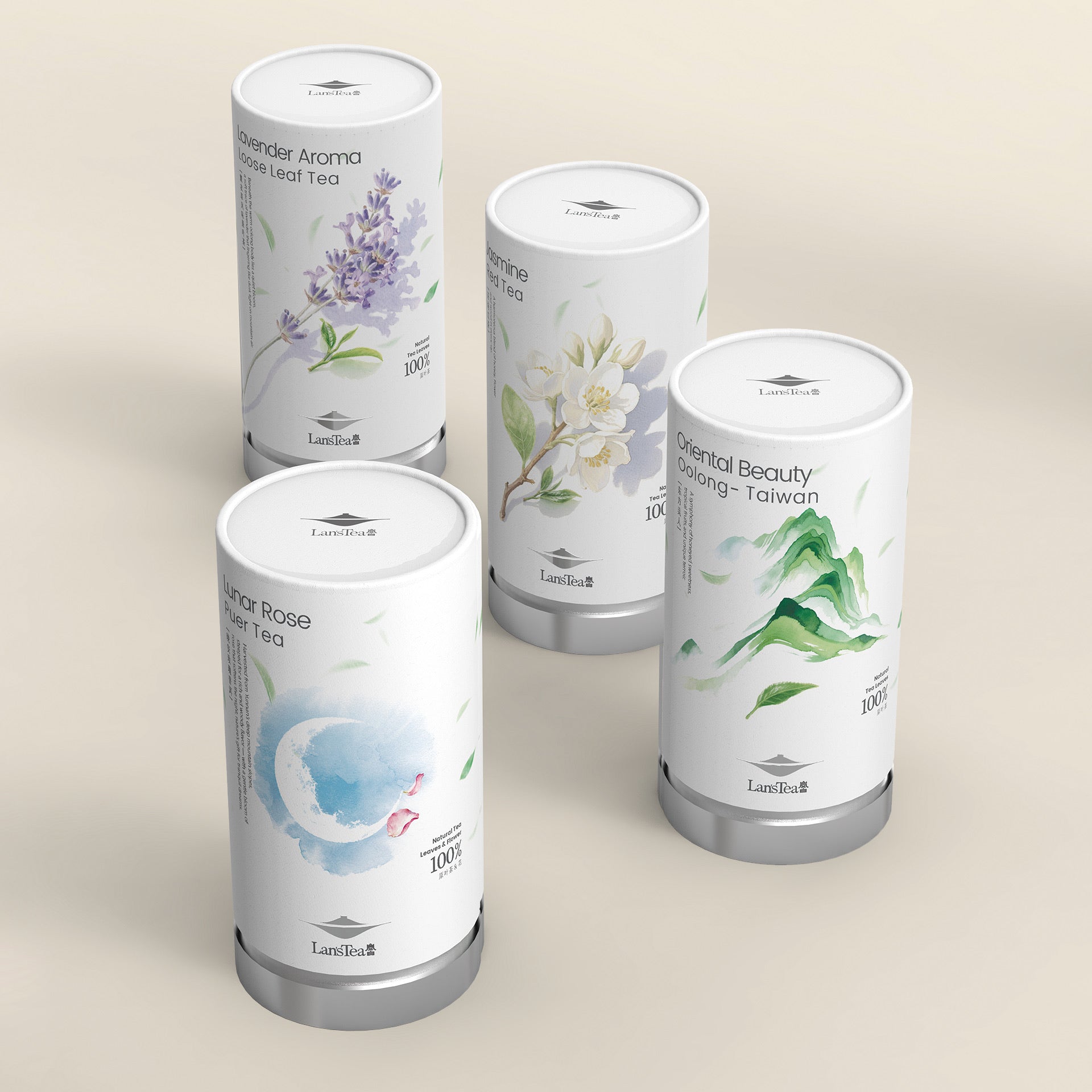
Start with the tea that best fits the way you like to drink. Compare the Aroma, Palate, Finish, and brewing guidance for Oriental Beauty Oolong and Lavender Oolong Tea. To explore the wider range, browse Loose Leaf Tea.

How Do You Choose Your First Tea?

01 — Flavor

Think about flavors you already like. Flowers, light fruit, and clean aromas may point toward a lighter oolong. Toast, nuts, cocoa, malt, or dried fruit may lead to roasted oolong or Chinese red tea. Earth, wood, and fermented flavors may make pu-erh more interesting.

02 — Brewing

Many loose-leaf teas work both ways. Hot tea emphasizes aroma and warmth; iced tea can feel lighter beside a meal or during a busy afternoon. Check the individual tea's directions first.

03 — Ritual

A mug with a roomy basket strainer is the simplest route. A small teapot makes repeated, shorter infusions easier. Neither is more authentic for daily life. Choose the one you will use.

There is no correct preference. A useful first tea is one you will want to make again

Three Chinese Tea Styles to Start With

China has six major tea categories, but beginners do not need to learn them all at once. These three are a practical place to start because they cover a wide range of familiar and distinctive flavor directions.

Chinese Red Tea

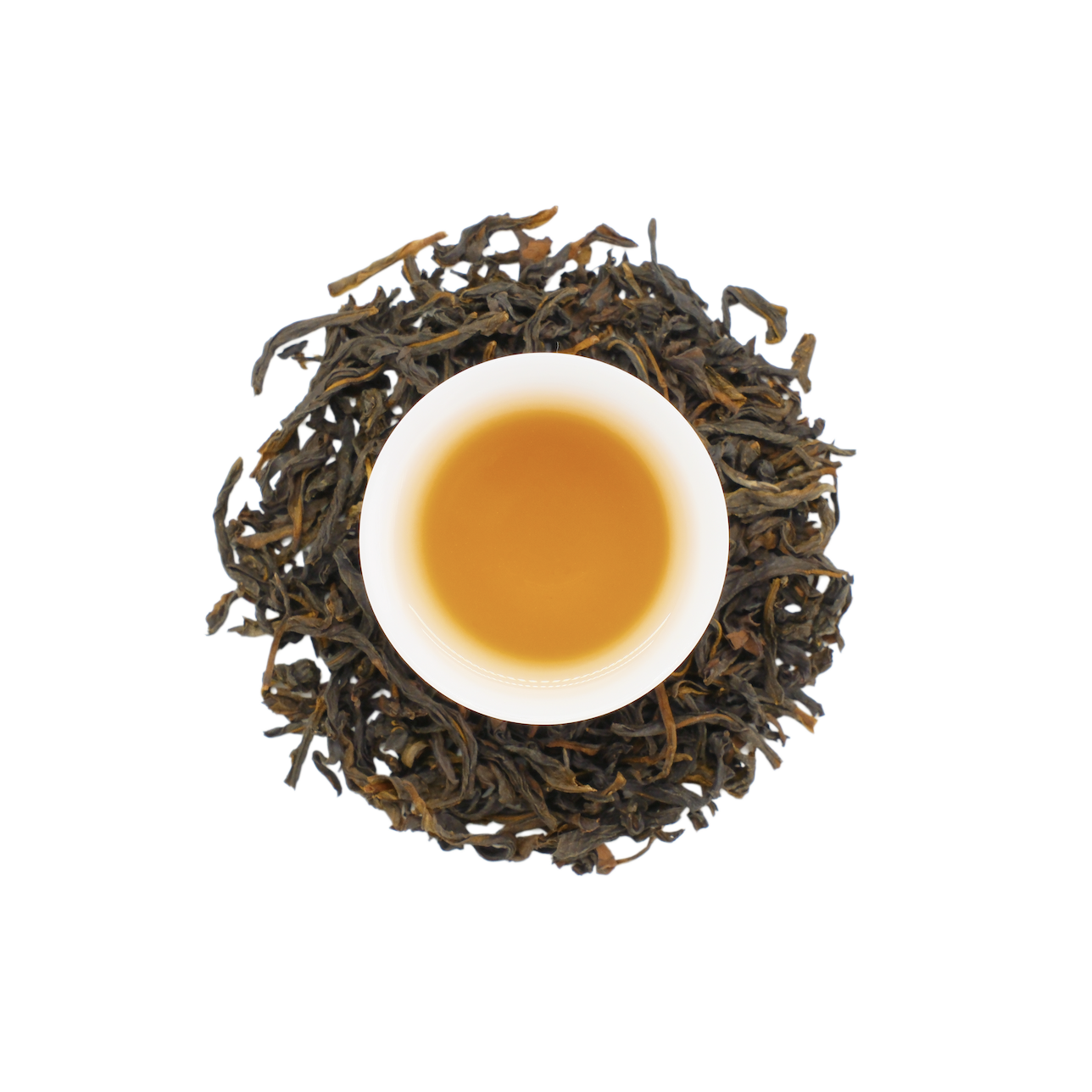
Fully oxidized for a rounded, familiar cup, with common notes of malt, cocoa, honey, and ripe fruit. Often called black tea in English, it’s an easy place to start if you already enjoy black tea.

Oolong Tea

Partially oxidized and especially varied, with flavors that can range from floral and creamy to fruity, toasted, nutty, or mineral. A good choice if you enjoy aroma, variety, and re-steeping the same leaves.

Dark Tea

Deeper and more mellow, with earthy, woody, dried-fruit, and sometimes savory notes. Pu-erh is one of the best-known dark tea styles, and raw and ripe versions can taste very different.

CHOOSE BY FLAVOR, NOT BY PRESTIGE

Start with the flavors you already enjoy, then let the tea category follow.

LIGHT & FLORAL

Start with a lighter oolong if you enjoy delicate florals, fresh fruit, and a clean, bright finish.

WARM & TOASTED

Try a more deeply oxidized or roasted oolong for nutty, caramel-like, toasted, or mineral flavors.

ROUNDED & FAMILIAR

Chinese red tea is an easy bridge from black tea, with familiar notes of malt, cocoa, honey, and dried fruit.

DEEP & EARTHY

Explore pu-erh or other dark teas if you enjoy earthy, woody, mellow, and deeper dried-fruit flavors.

The Easiest Way to Brew Loose-Leaf Tea

Mug + Basket Strainer

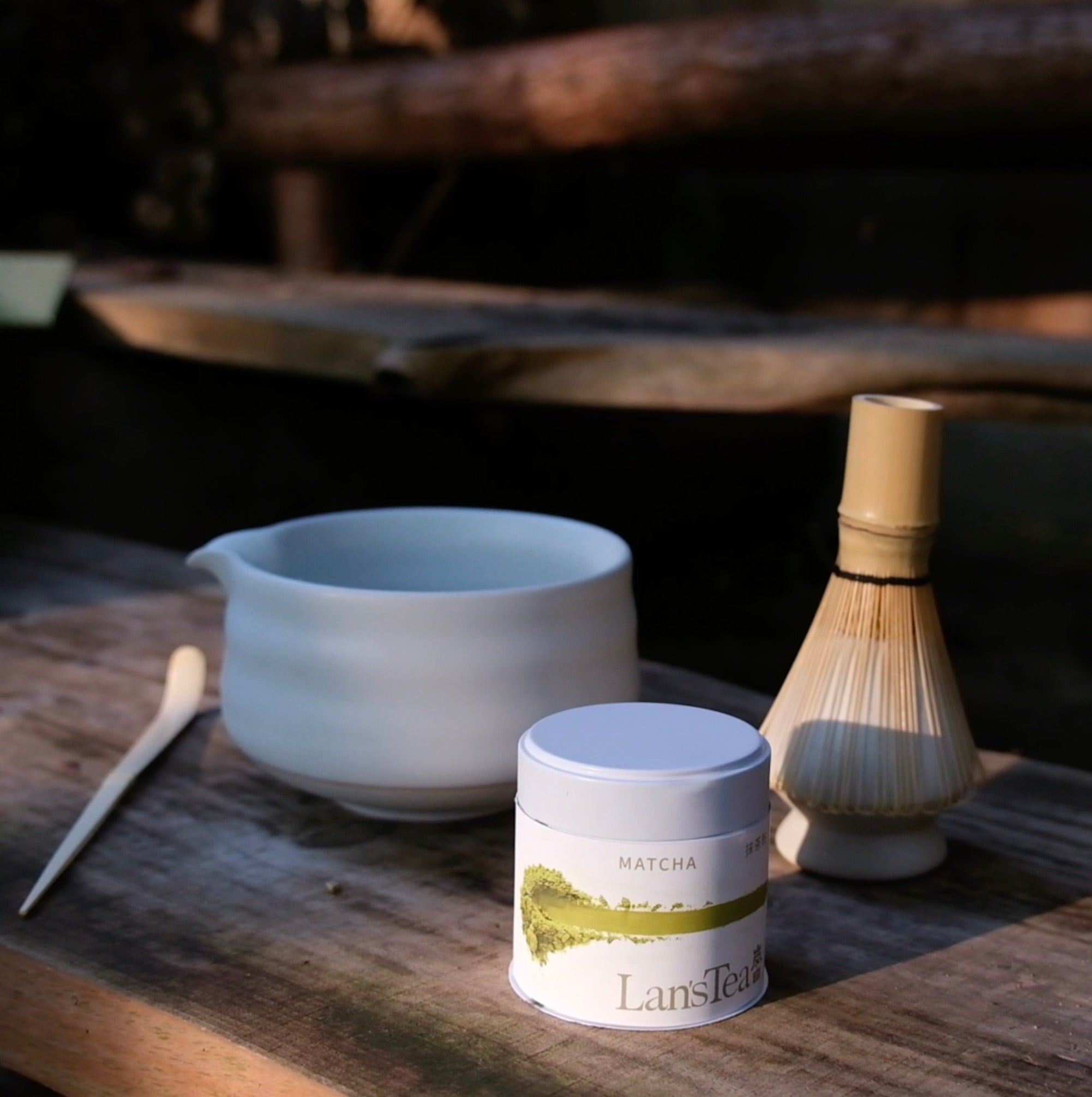
Place leaves in a roomy basket strainer, add water, and remove the basket when the tea tastes right. A basket gives leaves more space than a very small tea ball.

Small Teapot

A small pot is useful when you want to re-steep the leaves. Pour the tea out fully between infusions so the leaves do not continue brewing in leftover water.

Iced Tea or Bottle Brewing

Use a clean, food-safe bottle or pitcher and follow the tea's directions. Brewing it hot first gives you a useful reference for later iced experiments.

No temperature or steeping time suits every Chinese tea. Start with the seller's directions. For a strong or drying cup, use less leaf, cooler water, or a shorter steep. For a light cup, add leaf or time. Change one thing at a time.

What Does a Beginner Not Need to Buy?

The practical essentials are simple:

  • Loose-leaf tea
  • Fresh water
  • A mug
  • A roomy basket strainer

You do not need a gongfu tea table, tiny cups, a specialized kettle, or memorized regions and cultivars before making your first cup.

HOW DO YOU READ A USEFUL TEA PRODUCT PAGE?

Before buying, look for information that helps you predict and prepare the cup.

Tea Identity

The category and ingredients should be clear.

Flavor

Aroma, palate, and finish should be described in plain language.

Origin & Production

Documented place, harvest, cultivar, or lot information is useful when the seller can substantiate it.

Brewing Guidance

The page should provide a realistic starting recipe.

Package Size

Know how much tea you are buying rather than judging value from the package alone.

Seller Details

Shipping, returns, and a working contact path should be easy to find.

Good to Know